Welcome to aubaine.ca!
Welcome to aubaine.ca!
Welcome to aubaine.ca!

By the aubaine.ca team · editorial direction: Marcel Dupont, founder · methodology
08 Aug 2026
According to our daily flight deal tracking, a round trip to Rome can drop below $450 CAD from Western Canada, though the average deal we've spotted sits more in the $500 to $650 CAD range depending on your departure city and the season. For a Quebec reader planning a first — or tenth — trip to Rome in 2026, the total bill mostly comes down to three things: the flight price, the new European border rules, and how savvy you are about shopping around for tickets to the major sites and accommodations once you're there.
This guide draws on our real price tracking (the vo_deals database, with more than 250 deals captured for Rome since 2021 from our daily flight monitoring out of 14 Canadian airports), as well as the official 2026 rates for Rome's main attractions. You'll find a numbers-based picture of flight prices, up-to-date entry requirements for Canadian citizens, the real cost of the Colosseum and the Vatican Museums, neighbourhoods where you can stay without breaking the bank, the best time to go, and money-saving tricks straight from the Romans themselves. Before booking, take a look at the flight deals from Canada tracked daily on aubaine.ca — it's exactly this kind of data that feeds the numbers below.
Between 2021 and 2026, our tracking captured 252 round-trip deals to Rome from six Canadian cities; the lowest price spotted ranges from $447 CAD (Calgary) to $525 CAD (Vancouver), depending on availability at the time. These are deals our monitoring system has actually seen go by — not guaranteed fares or a price promise for your specific dates.
| Departure city | Lowest price spotted | Average deal price | Number of deals tracked |
|---|---|---|---|
| Calgary | $447 CAD | $571 CAD | 79 |
| Saskatoon | $509 CAD | $509 CAD | 7 |
| Kelowna | $512 CAD | $512 CAD | 7 |
| Regina | $514 CAD | $544 CAD | 9 |
| Winnipeg | $522 CAD | $646 CAD | 75 |
| Vancouver | $525 CAD | $581 CAD | 71 |
These prices are deals spotted through our daily tracking, not guaranteed fares — they shift daily based on availability, season and airline. Calgary and Winnipeg are the best-covered cities in our data, with 79 and 75 data points respectively, which gives a more reliable picture of their real price range; cities with fewer data points, like Saskatoon and Kelowna, show an identical low and average price simply because only one standout deal has been captured so far. If your departure city isn't in this table, it just means no notable Rome deal has been tracked from that airport in our database yet.
Across all departure cities, the lowest deals our tracking has ever captured for Rome happened in April ($178 CAD), July ($447 CAD) and March ($451 CAD). These standout prices don't necessarily repeat every year, but they show that spring and the height of summer can turn up great surprises for anyone who watches prices consistently instead of booking the first fare they see. Your best bet is still to check the current travel deals regularly rather than relying on a single price point frozen in time.
Canadian citizens still don't need a visa for a 90-day tourist stay within any 180-day period in the Schengen area, but the border crossing itself has changed: the EES (Entry/Exit System) is now in effect and replaces manual passport stamps with biometric data collection. ETIAS, meanwhile, isn't active yet — so there's nothing to apply for in advance for a 2026 trip.
As before, a valid Canadian passport is all you need to enter Italy and travel through the Schengen area for up to 90 days within any 180-day period, with no visa application required. Still, check your passport's expiry date before booking, since several European countries require several months of remaining validity beyond your planned return date.
The EES system now electronically records the entries and exits of non-European travellers at the Schengen area's external borders, taking fingerprints and a photo instead of the traditional passport stamp. In practical terms, expect a somewhat longer wait at Fiumicino airport the first time you go through this system, while your biometric data gets registered; subsequent crossings within the Schengen area should be faster once your file exists.
The ETIAS travel authorization, which will become mandatory for Canadians visiting the Schengen area, still wasn't in effect as of mid-2026; its launch is planned for the last quarter of 2026, with a three-year validity and an announced fee of €20 (about $32 CAD), free for travellers under 18 and over 70. Until the system launches, there's nothing to pay or fill out: be wary of sites already offering to 'reserve' your ETIAS for a fee, since the only official portal will be travel-europe.europa.eu/etias. For unexpected health issues or baggage mishaps during your stay, it's also worth comparing travel insurance before you leave — RAMQ coverage doesn't apply once you're in Europe. The Government of Canada keeps country-by-country entry requirements up to date at travel.gc.ca, worth checking before any departure.
The standard ticket covering the Colosseum, Roman Forum and Palatine Hill costs €18 (about $29 CAD) and stays valid for 24 hours across all three sites; 'Full Experience' tickets, which add the arena floor or the underground tunnels, cost roughly €22 to €24 (about $36 to $39 CAD). The classic trap: buying through a resale site that marks up the price by 50% or more for the exact same access.
The 24-hour standard ticket is enough to explore the Colosseum, the Forum and the Palatine at your own pace, while the Full Experience adds access to the arena level (a reconstruction of the gladiators' floor) or the underground tunnels where machinery and wild animals once moved. For a first visit on a tight budget, the standard ticket already covers the essentials of the site; book the Full Experience only if getting onto the arena floor or into the tunnels really matters to you. Once the Colosseum is checked off, take a look at discounted activities and excursions to round out your stay with other Roman attractions at a reduced price.
Tickets are released 30 days in advance, starting at midnight Rome time, and sell out quickly in high season (spring and summer): set an alarm and buy as soon as sales open if your dates are fixed. Buy only through the archaeological site's official ticketing site, ticketing.colosseo.it — it's the only channel that guarantees the listed price with no resale markup, unlike several third-party platforms that sometimes charge double for the same ticket.
Admission to the Vatican Museums costs €20 at the door (about $32 CAD) or €25 online, including a €5 skip-the-line fee (about $41 CAD); ages 6-18 and students under 26 pay €10 (about $16 CAD), and entry is free on the last Sunday of every month. St. Peter's Basilica, meanwhile, is always free, regardless of the day of the week.
The online rate (€25) costs more than the door price (€20) because it includes a mandatory €5 skip-the-line fee, but it saves you from lineups that can run past an hour in high season — a fair trade-off if your visiting schedule is tight. Students under 26 and youths aged 6 to 18 get a reduced rate of €10, on presentation of a student card or valid ID at the checkpoint.
On the last Sunday of every month, admission to the Vatican Museums, including the Sistine Chapel, is completely free — but the lines get longer to match, often starting at dawn. This isn't the same date as the free Sunday at Italy's state museums, so don't mix the two up if you're planning your week in Rome around the savings. Exact rates and conditions are published on the official Vatican Museums website, the only source to check before booking.
A single ATAC ticket costs €1.50 (about $2.45 CAD) and covers 100 minutes of travel, while day passes range from €8.50 (24 hours, about $14 CAD) to €22 (72 hours, about $36 CAD); to get from downtown to Fiumicino airport, the Leonardo Express train costs €14 (about $23 CAD) and connects to Termini in 32 minutes non-stop.
The ATAC network (metro, bus, tram) runs on either single tickets or passes: the BIT at €1.50 covers 100 minutes and one metro line change, the 24-hour pass costs €8.50 (about $14 CAD), the 48-hour pass €15 (about $24 CAD), the 72-hour pass €22 (about $36 CAD), and the weekly pass (CIS) €29 (about $47 CAD). If you're planning more than three trips a day, a pass pays for itself almost immediately compared to buying single tickets.
The official Roma Pass costs €38 for 48 hours (about $62 CAD) or €62.90 for 72 hours (about $102 CAD), including unlimited public transit plus free or discounted entry to more than 100 sites and museums. It pays off if you plan to visit at least two or three paid attractions on top of using transit during its validity period — otherwise, a simple ATAC pass combined with individual tickets often works out cheaper. Details and the list of participating sites are published by Turismo Roma, the city's official tourism office.
The Leonardo Express train connects Fiumicino to Termini station non-stop in 32 minutes, departing every 15 to 30 minutes, for €14 (about $23 CAD) if you buy directly from Trenitalia or at the automated kiosks — unofficial resellers often charge around €18 (about $29 CAD) for the same trip, so watch out for kiosks outside the official network. If you're travelling as a group or with a lot of luggage, the official taxi runs a fixed rate of €55 (about $89 CAD) to any destination within the Aurelian Walls, passengers and bags included — only get into a licensed white taxi at the official queue, never with a driver who approaches you inside the terminal. For a day trip to Ostia Antica or the Roman countryside, comparing car rental at your destination can also be worth it if you prefer the freedom of a flexible schedule.
The Termini and Esquilino neighbourhoods offer Rome's best accommodation prices along with direct access to the main transit hub, while Trastevere and Monti cost more but put visitors right in the heart of the Roman atmosphere. A 3-star hotel typically runs €80 to €150 a night (about $130 to $243 CAD), with prices starting at €50 to €80 (about $81 to $130 CAD) in low season.
The area around Termini station, including the Esquilino neighbourhood, remains the most budget-friendly place to sleep in Rome: it's also the central hub for the metro and trains, which makes getting to the Vatican, the Colosseum or the airport easier at the start and end of your stay. The vibe is less picturesque than the historic centre, but the price gap more than makes up for it if your budget matters more to you than the neighbourhood scenery.
Monti sits within walking distance of the Colosseum and Termini, with village-like charm right in the middle of the city, at a price somewhere between the historic centre and the outer neighbourhoods. Trastevere remains the most picturesque area and the liveliest at night, but also one of the priciest; Testaccio stands out for its authentic food scene and more reasonable prices; San Lorenzo, a student neighbourhood, offers some of the lowest rates close to downtown; and Ostiense, a bit further south, delivers the biggest savings while still being well served by the metro. Before booking, compare a few options with the hotel comparison tool to see where the best price-to-location ratio lands for your exact dates.
Mid-January through February marks the low point of Rome's tourist season, with hotel rates that can drop by roughly 50% compared to summer peak prices. November is also cheap, but it's the rainiest month of the year — a trade-off to weigh depending on your tolerance for rain.
For a Quebec traveller with flexibility on dates, targeting the post-holiday period through the end of February combines discounted accommodation with a noticeably less crowded city at the major sites, without the high-season lineups. It's also a window where mid-range hotels have the most room to lower their prices, simply for lack of demand.
Avoid the holiday period itself, when demand pushes up both flights and rooms despite the usual winter lull for the rest of the season. Our tracking has also picked up standout deals in March and April, making that another window worth watching closely if your dates are flexible. If your dates are fixed, keep an eye on current travel deals several weeks before departure instead of waiting until the last minute.
Three local habits can meaningfully cut your budget on the ground: visiting certain museums for free on Sundays, filling your water bottle at public fountains instead of buying bottled water, and swapping a full dinner for an aperitivo at the end of the day. None of these tricks require complicated bookings or a special card.
The #DomenicalMuseo initiative gives free access on the first Sunday of every month to about 500 museums and sites owned by the Italian state, including the Colosseum, the Roman Forum and the Borghese Gallery — some sites still require advance booking even though entry is free. This program continues in 2026; pair it with the Vatican Museums' free Sunday, which falls on the last Sunday of the month instead, to maximize your no-admission-fee visits during a single stay in Rome.
Rome has roughly 2,500 public fountains called nasoni, which run continuously day and night with free, safe drinking water. Bring a reusable bottle and locate the nearest nasoni with the Waidy app instead of buying bottled water on every street corner — savings that add up fast over several days of walking around in the Roman summer.
Between 6:30 p.m. and 8:30 p.m., most Roman bars offer aperitivo: a drink for roughly €7 to €12 (about $11 to $19 CAD) that comes with a buffet or appetizers included in the price, enough to replace a light dinner for €8 to €15 per person (about $13 to $24 CAD). It's both a taste of Roman social life and a real way to cut your meal costs on a multi-day stay. Before you leave, it's also worth keeping an eye on this week's deals in Quebec to pack your suitcase without paying full price.
According to our tracking, the lowest price spotted ranges from $447 CAD from Calgary to $525 CAD from Vancouver, with average deal prices between $509 and $646 CAD depending on the city. These are deals already captured by our daily tracking, not guaranteed prices for your specific dates.
No: Canadian citizens can stay up to 90 days within any 180-day period in the Schengen area without a visa. At the border, though, expect a biometric check through the EES system, which replaces the manual passport stamp.
ETIAS is an electronic travel authorization that will become mandatory for Canadians visiting Europe, but it still wasn't in effect as of mid-2026. Its launch is planned for the last quarter of 2026, so there's nothing to apply for before then, and the only official portal once it launches will be travel-europe.europa.eu/etias.
Our tracking has captured the lowest deals in April, July and March, suggesting that spring and the height of summer can bring good surprises. Either way, checking prices regularly instead of booking the first fare you see remains the best strategy.
The Roma Pass (€38 for 48 hours, about $62 CAD, or €62.90 for 72 hours, about $102 CAD) pays off if you visit at least two or three paid sites in addition to using public transit during its validity period. For a trip focused on just one or two major attractions, individual tickets are often cheaper.
The Termini, Esquilino and Ostiense neighbourhoods offer the best prices, with convenient access to public transit. A 3-star hotel generally costs €80 to €150 a night (about $130 to $243 CAD), and can drop to €50-80 (about $81 to $130 CAD) in low season, from mid-January to February.
💛 Our promise: helping you save. Despite all the care we put into tracking prices, we simply cannot guarantee they are accurate at all times — they come from flyers and merchants and can change without notice. Every week, we work to give you a fair and reliable picture so you can follow your products, spot real discounts and buy at the right time, at the best price. At aubaine.ca, every dollar saved matters: our mission is to hunt down the best deals for you. Always confirm the final price in store or with the merchant.
Thank you — got it!
Every comment gets read. That is how aubaine.ca improves.
Grow with us and earn deals
Subscribe and get the weekly flyers, coupons and best deals. Members earn Aubaine Points with every action — reviews, feedback, purchases — and climb through the tiers.
Double opt-in by email · one-click unsubscribe.
 English
  Français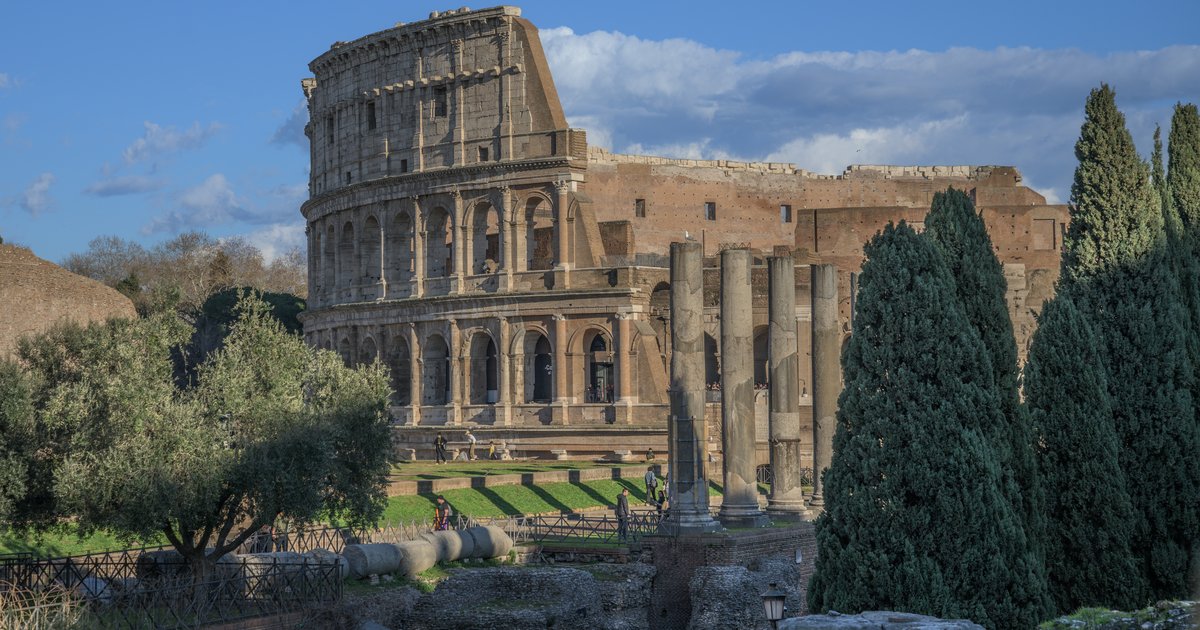

Leave a Review