Welcome to aubaine.ca!
Welcome to aubaine.ca!
Welcome to aubaine.ca!

Physical Therapy One, physiotherapists in Toronto.
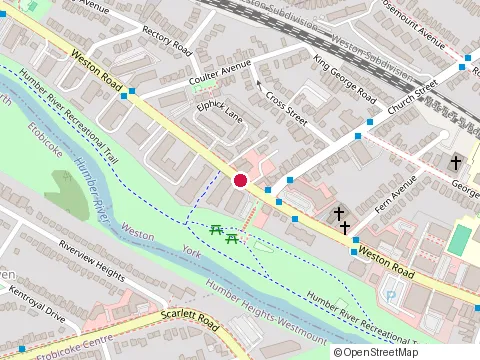
Physical Therapy One operates as a physiotherapy practice at 2549 Weston Road in Toronto, Ontario, serving residents of the surrounding neighbourhoods along the Weston Road corridor. For anyone unfamiliar with the field, physiotherapy can seem wrapped in unfamiliar terminology — mobility, range of motion, manual assessment, rehabilitation plan. Understanding these terms in plain language helps clients know what to expect before they ever book a first appointment, and it makes conversations with a physiotherapist far easier to follow.
Physiotherapy is a regulated health discipline focused on how the body moves — joints, muscles, nerves, and the connective tissue that ties them together. A physiotherapist is trained to assess movement patterns, posture, and physical function, then build a plan of care suited to a person's daily life and goals. In a city like Toronto, where residents walk to transit, climb stairs in older apartment buildings, shovel snow in winter, and often spend long hours at a desk or behind the wheel in traffic, the demands placed on the body are varied and constant. A physiotherapy practice such as Physical Therapy One exists within that everyday context, offering assessment and care for people navigating the physical wear of urban life.
The vocabulary of the field can be intimidating at first glance. "Assessment" simply means the initial conversation and physical evaluation used to understand what is going on. "Mobility" refers to how freely a joint or body segment can move. "Manual techniques" describe hands-on methods a physiotherapist may use during a session. "Rehabilitation" is the broader process of restoring function over time, often through a structured, gradual plan. None of these terms describe outcomes or guarantees — they describe a process, one that unfolds differently for every individual depending on their circumstances.
A physiotherapy clinic generally structures its work around assessment, hands-on care, and guided movement or exercise. These three pillars form the backbone of most physiotherapy visits, regardless of the reason someone walks through the door.
The first visit to a physiotherapy practice usually centres on a conversation and physical evaluation. The physiotherapist asks about daily activities, work habits, and general history, then observes movement, posture, and joint mechanics. This step establishes a baseline and informs everything that follows. For clients unfamiliar with the process, it can help to think of it as similar to a check-up focused specifically on how the body moves rather than on internal medicine.
Many physiotherapists use hands-on methods as part of a session — joint mobilization, soft tissue work, or guided stretching are common examples. These techniques are applied directly by the practitioner and form a core part of what distinguishes physiotherapy from purely exercise-based approaches. The specific techniques used depend entirely on the individual assessment and are tailored session by session.
Alongside hands-on work, physiotherapists often design movement programs meant to be practiced both during sessions and at home. These programs are built around an individual's specific situation and are typically introduced gradually, with adjustments made as the person's needs evolve over time. For residents balancing busy schedules across Toronto, having a program that can be integrated into daily routine — rather than requiring a complete lifestyle overhaul — is often a practical consideration.
Physiotherapy is rarely a single visit. Follow-up appointments allow the practitioner to track how a person is responding to their plan and to adjust the approach as needed. This iterative structure is one of the defining features of the discipline: the plan is not fixed at the outset but evolves in response to how the individual progresses.
Understanding a handful of common terms makes the physiotherapy experience far less confusing for first-time clients. Below are terms frequently used in a clinical setting, translated into everyday language.
This refers to how far a joint can move in a given direction — for example, how far an elbow bends or a shoulder rotates. Physiotherapists often measure this during an assessment to understand how a joint is functioning relative to what is typical for that movement.
Posture describes how the body is positioned, whether standing, sitting, or moving. Biomechanics is the broader study of how the body's structures work together during movement. Both concepts come up often in physiotherapy because sustained posture — sitting at a desk, driving, or standing for long shifts — plays a role in how the body feels over time.
This term simply means the specific set of movements or exercises a physiotherapist recommends for an individual, tailored to their assessment and goals. It is not a medication prescription but a structured movement plan.
A home program refers to exercises or movement practices a client is asked to continue outside of clinic visits. Consistency with a home program is often discussed as part of the overall plan, since movement-based care typically involves practice beyond the clinic walls.
Toronto's mix of dense urban living, long commutes, and seasonal extremes shapes how residents experience physical strain. Winters bring icy sidewalks and the risk of slips near transit stops; summers bring an uptick in outdoor activity, cycling, and recreational sports across the city's parks and trails. Many residents also spend long stretches of the day seated — whether at an office, in a vehicle navigating traffic, or working from home — which places sustained demand on posture and joint mechanics. A physiotherapy practice located on Weston Road serves a community shaped by these rhythms, offering a local option for residents seeking movement-focused assessment and care without travelling far from home.
Choosing a nearby physiotherapy practice can also simplify the logistics of ongoing care. Since physiotherapy often involves multiple visits over weeks or months, proximity matters — a clinic within a short drive or transit ride reduces the friction of maintaining a consistent schedule, which in turn supports the kind of gradual, iterative process that movement-based care tends to require.
A first visit typically involves a conversation about daily activities and history, followed by a physical assessment of movement, posture, and joint mechanics. This establishes a starting point used to shape any plan that follows.
Requirements vary by insurance plan and individual circumstances. It is best to check directly with the practice by phone at 416-249-6422 or by visiting pt1.ca to confirm what applies to a specific situation.
The number of visits depends entirely on the individual's assessment and plan, and is determined on a case-by-case basis rather than following a fixed schedule.
Physical Therapy One can be contacted directly by phone or through its website to confirm accepted payment options, as various payment methods may apply depending on the visit.
Physical Therapy One is listed under “Physiotherapists” of the Canadian business directory, in Toronto. Details, products and services on its website. Contact: 416-249-6422.
Not published yet — the owner can add them by claiming this listing.
Regular gasoline, Toronto West — 176.9 ¢ (market average, week of August 24, 2026)
| Station | Address | Distance |
|---|---|---|
| Mobil | 0.8 km | |
| Petro-Canada | 0.9 km | |
| Shell | 1.0 km | |
| RaceTrac | 1.3 km | |
| Pioneer | 1498 Royal York Road Etobicoke | 1.5 km |
Station locations: © OpenStreetMap contributors (ODbL). Prices: Government of Ontario weekly fuel price survey — a market average, not the price at this station.
No review yet for this business. Be the first to share your experience.
💛 Our promise: helping you save. Despite all the care we put into tracking prices, we simply cannot guarantee they are accurate at all times — they come from flyers and merchants and can change without notice. Every week, we work to give you a fair and reliable picture so you can follow your products, spot real discounts and buy at the right time, at the best price. At aubaine.ca, every dollar saved matters: our mission is to hunt down the best deals for you. Always confirm the final price in store or with the merchant.
Every comment gets read. That is how aubaine.ca improves.
Grow with us and earn deals
Subscribe and get the weekly flyers, coupons and best deals. Members earn Aubaine Points with every action — reviews, feedback, purchases — and climb through the tiers.
Double opt-in by email · one-click unsubscribe.
 English
  Français