Welcome to aubaine.ca!
Welcome to aubaine.ca!
Welcome to aubaine.ca!

Cheng&Bell Strength&Health, physiotherapists in Toronto.
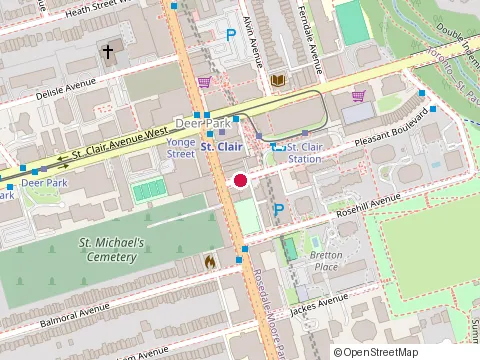
Cheng&Bell Strength&Health provides physiotherapy services in Toronto, Ontario, at 7 Pleasant Blvd. For anyone searching for a physiotherapist in the city, understanding what the profession actually involves — and how to prepare for a first appointment — goes a long way toward getting real value out of the visit.
Physiotherapy is a regulated health service focused on assessing, treating, and preventing problems with movement, muscles, joints, and the nervous system. In a dense urban centre like Toronto, the demand for this kind of care is shaped by the rhythms of city life: long commutes on transit or in gridlock traffic, hours spent at a desk in the Financial District or in a home office in a condo tower, and the seasonal swing between summer cycling and running along the waterfront trails and winter's icy sidewalks. Each of these patterns produces its own set of recurring complaints — stiff necks and shoulders from screen work, lower-back tension from long sedentary stretches, and the sprains, strains, and falls that come with an Ontario winter.
A physiotherapy clinic in this environment tends to see a wide cross-section of the population: office workers dealing with repetitive strain, weekend athletes nursing a tweaked knee or shoulder, older adults working on balance and mobility, and people recovering from surgery or an acute injury. The common thread is that physiotherapy is rarely a one-visit fix. It is a process — assessment, a treatment plan, a series of sessions, and often a home exercise component — and knowing that going in helps set realistic expectations.
The starting point for almost any physiotherapy service is a thorough assessment. This usually includes a discussion of the person's history, the specific pain or limitation they are experiencing, and a hands-on evaluation of posture, joint range of motion, muscle strength, and movement patterns. This step is what allows a treatment plan to be tailored rather than generic, and it is worth being ready to describe symptoms clearly — when they started, what makes them better or worse, and how they affect daily activities.
Many physiotherapy visits include manual techniques: joint mobilization, soft-tissue work, and stretching aimed at reducing pain and restoring normal movement. These techniques are typically combined with other approaches rather than used alone, since lasting improvement usually depends on the patient's own participation in the process.
Given the name Cheng&Bell Strength&Health, a strength-and-conditioning orientation to rehabilitation is a natural expectation — building resilient movement patterns rather than just chasing short-term pain relief. Structured exercise programs, whether for post-injury rehabilitation or general strengthening, are a core part of what physiotherapy offers, and they usually extend beyond the clinic walls into a home program the patient follows between visits.
For people who play sports, train regularly, or simply want to stay active through a Toronto winter without reinjuring an old problem area, physiotherapy also plays a preventive role. This can mean addressing movement imbalances before they become painful, or guiding a safe, gradual return to running, lifting, or a sport after an injury or a period of inactivity.
A significant part of physiotherapy is educational: helping someone understand why a problem is happening and what they can do about it day to day, whether that means adjusting a workstation setup, changing how they lift, or pacing an activity differently. This piece is what allows the benefits of in-clinic sessions to carry over into daily life.
Preparation makes a real difference in how useful a first appointment is. It helps to arrive with a short, honest summary of the issue: when it started, whether it followed a specific incident or built up gradually, and what activities aggravate or ease it. If there are relevant medical details — previous surgeries, imaging results, or diagnoses from a physician — having them on hand, even informally, speeds up the assessment. Comfortable, loose-fitting clothing that allows the treating clinician to see and move the affected area is also worth planning for, since a full assessment of a knee or shoulder is difficult through jeans or a suit.
Being ready to ask questions is just as important as answering them. Understanding the reasoning behind a treatment plan — why certain exercises are prescribed, what the expected timeline looks like — helps patients stay engaged with the process rather than treating physiotherapy as something done to them rather than with them. Since a home exercise program is a common part of treatment, setting aside a few minutes a day for it, even on busy weeks between meetings downtown or errands around the neighbourhood, tends to be the difference between steady progress and a plateau.
For anyone in the Toronto area looking to book an appointment or ask about availability, the most direct route is through Cheng&Bell Strength&Health's contact page or by phone at 647-203-7163.
In Ontario, physiotherapists are regulated professionals that most people can see directly without a physician's referral, though some insurance plans may require one for reimbursement purposes — that detail is best confirmed with the specific insurer.
The number of sessions varies widely depending on the nature and severity of the issue; some concerns improve within a handful of visits while others, particularly post-surgical or chronic conditions, involve a longer structured program.
Loose, comfortable clothing that allows access to the area being treated — for example, shorts for a knee assessment or a tank top for a shoulder issue — makes the evaluation and treatment more effective.
Physiotherapy addresses both: treating existing pain or dysfunction and helping active individuals build strength and movement patterns that reduce the risk of future injury, which fits naturally with a strength-and-health-oriented approach to care.
Cheng&Bell Strength&Health is listed under “Physiotherapists” of the Canadian business directory, in Toronto. Details, products and services on its website. Contact: 647-203-7163.
Not published yet — the owner can add them by claiming this listing.
Regular gasoline, Toronto East — 182.1 ¢ (market average, week of August 31, 2026)
| Station | Address | Distance |
|---|---|---|
| Shell | 1077 Yonge Street | 0.9 km |
| Esso | 381 Mount Pleasant Road Toronto | 1.4 km |
| Esso | 150 Dupont Street Toronto | 1.5 km |
| Canadian Tire | 839 Yonge Street Toronto | 1.6 km |
| Esso | 866 Avenue Road Toronto | 1.6 km |
Station locations: © OpenStreetMap contributors (ODbL). Prices: Government of Ontario weekly fuel price survey — a market average, not the price at this station.
No review yet for this business. Be the first to share your experience.
💛 Our promise: helping you save. Despite all the care we put into tracking prices, we simply cannot guarantee they are accurate at all times — they come from flyers and merchants and can change without notice. Every week, we work to give you a fair and reliable picture so you can follow your products, spot real discounts and buy at the right time, at the best price. At aubaine.ca, every dollar saved matters: our mission is to hunt down the best deals for you. Always confirm the final price in store or with the merchant.
Every comment gets read. That is how aubaine.ca improves.
Grow with us and earn deals
Subscribe and get the weekly flyers, coupons and best deals. Members earn Aubaine Points with every action — reviews, feedback, purchases — and climb through the tiers.
Double opt-in by email · one-click unsubscribe.
 English
  Français