Welcome to aubaine.ca!
Welcome to aubaine.ca!
Welcome to aubaine.ca!

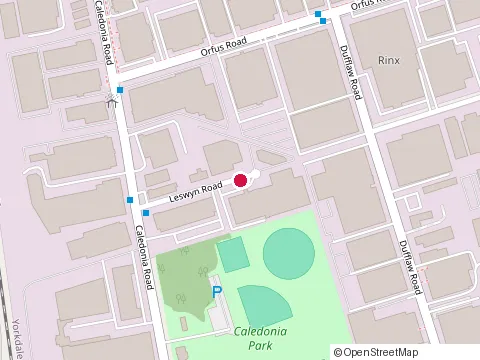
Pri Engineering, technology, engineering in North York.
Pri Engineering is a civil engineering firm based at 14 Leswyn Rd in North York, Ontario, offering engineering and consulting services under the category of technology and engineering firms. For anyone in North York trying to make sense of a project quote, a permit requirement, or a technical report, the vocabulary of civil engineering can feel like a separate language. This presentation walks through what a civil engineering firm actually does, in plain terms, using the services associated with Pri Engineering as the guide.
North York sits within a part of Ontario where residential intensification, infrastructure renewal, and commercial development all overlap. Older neighbourhoods with established housing stock exist alongside newer mid-rise and high-density projects, and that mix creates a steady need for engineering work — from assessing soil conditions before a foundation is poured to reviewing drainage patterns before a site is developed. A civil engineering firm operating in this environment is expected to understand both the technical requirements of a project and the practical realities of building in a dense, four-season urban setting.
Civil engineering is the branch of engineering concerned with the design, assessment, and oversight of structures and infrastructure that people rely on every day — buildings, roads, water systems, and the ground those things sit on. It is a broad field, and most firms describe their work using a handful of sub-disciplines rather than one general label.
When a report or proposal uses terms like "geotechnical," "hydrotechnical," or "structural," it is describing a specific piece of the puzzle, not a marketing label. Understanding which piece applies to a given project helps a property owner, developer, or contractor ask the right questions and interpret the answers they receive.
Civil engineering firms typically organize their work into a few recognizable categories: what is under the ground, what is built on top of it, how water moves through and around a site, and how the surrounding environment is affected. Each category answers a different question about a piece of land or a structure.
Geotechnical work is about understanding the ground itself — the soil, rock, and groundwater conditions beneath a site. Before a foundation is designed, someone has to determine whether the soil can support the weight of a building, whether it will settle over time, and how groundwater might affect construction. In practical terms, this is the step that tells a builder whether the ground is ready to be built on, and what precautions are needed if it is not.
Civil and structural engineering covers the design and assessment of the physical elements that make up a building or piece of infrastructure — foundations, framing, load-bearing systems, and the site layout around them. Where geotechnical work asks "what is the ground capable of," structural work asks "what needs to be built to safely carry the loads that will be placed on it."
Hydrotechnical engineering deals with water — how it flows across a site, how it is managed during storms, and how a project might affect nearby watercourses or drainage systems. In an urban area with a mix of paved surfaces and older stormwater infrastructure, understanding how water moves is a routine part of planning any significant construction or land development project.
Environmental services involve assessing how a project interacts with its surroundings — soil and water quality, natural features, and regulatory requirements tied to land use. This work is often required before development can proceed, as a way of documenting existing site conditions and identifying anything that needs to be addressed.
Forestry and resource analysis look at land use over a broader area, often supporting projects tied to natural resources or land management. GIS and geomatics are the mapping side of engineering — using geographic data and spatial analysis to document site conditions, plan projects, and produce the maps and figures that accompany technical reports. Together, these services provide the broader context a project sits within, beyond the boundaries of a single site.
Engineering input generally happens early in a project, before construction begins, so that the design accounts for real site conditions rather than assumptions.
Ontario's freeze-thaw cycle affects soil behaviour, drainage, and construction scheduling, which is why geotechnical and hydrotechnical assessments often carry extra weight in this region. A property owner or developer in North York working through a permit process, a renovation, or a new build can expect that engineering input — whether geotechnical, structural, or environmental — will be tied to how the site performs across the full range of seasonal conditions the area experiences, not just how it looks on a dry summer day.
Pri Engineering can be reached at 888-831-3318, with additional information available through its official website. Various payment methods are generally accepted for professional services of this kind, though clients should confirm specifics directly.
It assesses ground conditions, designs or reviews structural elements, manages water-related planning, and evaluates environmental factors tied to a piece of land or a building project, using the sub-disciplines described above.
No. Geotechnical engineering focuses on the soil and ground conditions beneath a site, while structural engineering focuses on the building or infrastructure elements constructed on top of that ground.
Hydrotechnical engineering addresses how water flows across and around a site, which affects drainage, flood risk, and how a project interacts with nearby watercourses — a routine consideration in urban Ontario development.
The firm is located at 14 Leswyn Rd in North York, Ontario, and can be reached by phone at 888-831-3318 or through its official website.
Pri Engineering is listed under “Technology, engineering” of the Canadian business directory, in North York. Details, products and services on its website. Contact: 888-831-3318.
Not published yet — the owner can add them by claiming this listing.
Regular gasoline, Toronto West — 176.9 ¢ (market average, week of August 24, 2026)
| Station | Address | Distance |
|---|---|---|
| Shell | 3070 Dufferin Street North York | 0.8 km |
| Esso | 1.0 km | |
| Petro-Canada | 1.4 km | |
| Petro-Canada | 1.5 km | |
| Shell | 1.6 km |
Station locations: © OpenStreetMap contributors (ODbL). Prices: Government of Ontario weekly fuel price survey — a market average, not the price at this station.
No review yet for this business. Be the first to share your experience.
💛 Our promise: helping you save. Despite all the care we put into tracking prices, we simply cannot guarantee they are accurate at all times — they come from flyers and merchants and can change without notice. Every week, we work to give you a fair and reliable picture so you can follow your products, spot real discounts and buy at the right time, at the best price. At aubaine.ca, every dollar saved matters: our mission is to hunt down the best deals for you. Always confirm the final price in store or with the merchant.
Every comment gets read. That is how aubaine.ca improves.
Grow with us and earn deals
Subscribe and get the weekly flyers, coupons and best deals. Members earn Aubaine Points with every action — reviews, feedback, purchases — and climb through the tiers.
Double opt-in by email · one-click unsubscribe.
 English
  Français